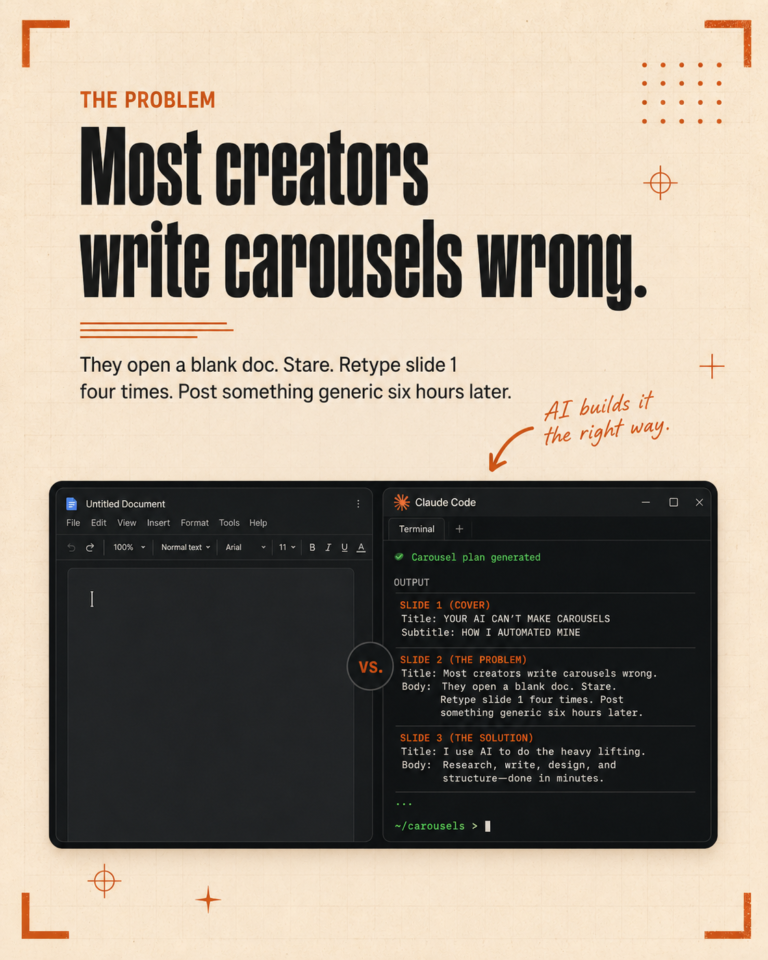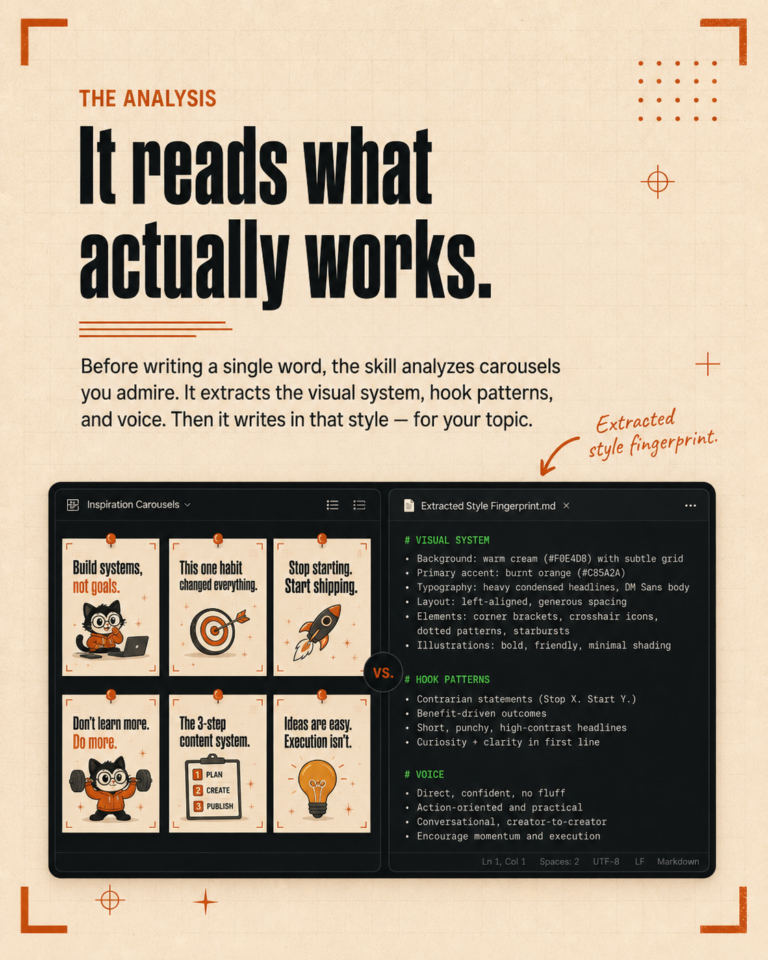
Most teams asking which AI tool to use for marketing are asking the wrong question. The honest answer is not one or the other. It is both, for different jobs.
We use Claude Code and ChatGPT every day at The Igniting Studio. Here is the split we have settled on, the structural reason behind it, and how to know which one to open first.
ChatGPT Is Better for One-Off Thinking
ChatGPT is built around a chat window. You paste a thing in, you get an answer, you move on. That model is excellent for work that does not repeat.
Use it for naming a product. Use it for sanity checking a positioning line. Use it for ten ideas on a topic you are stuck on. Use it for a quick competitive read on a new market.
The chat works because the work is one shot. No setup is worth it. The answer dies with the conversation and that is fine, because you only needed it once.
Claude Code Is Better for the Work That Repeats
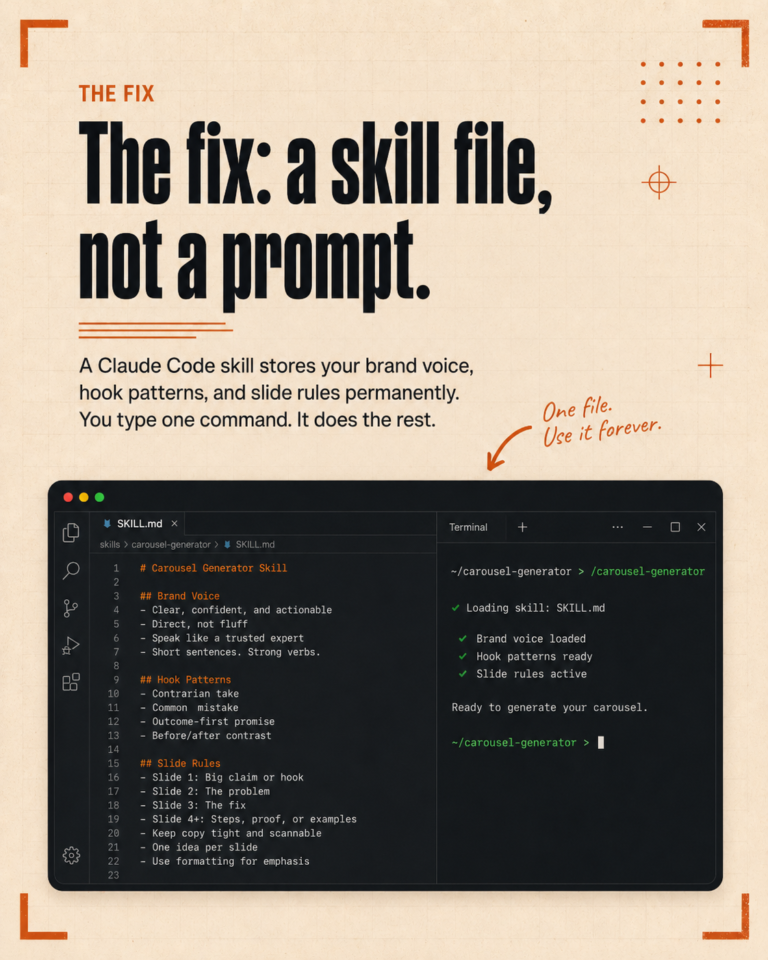
Claude Code lives in a folder on your machine. Markdown files in that folder set the rules for every run. Brand voice, banned words, past examples, the way a client wants their captions written. The model reads them automatically.
That structure pays off when you do the same kind of work weekly. Captions. Client reports. Blog posts. Outreach drafts. Audits. Anything where the rules and the voice need to stay the same across runs.
The reason is not intelligence. ChatGPT and Claude are close enough on raw model quality. The reason is the runtime. A chat window cannot hold a marketing system. A folder can.
The Structural Difference
In ChatGPT, the brand rules live in the system prompt or the project instructions. Every new conversation either starts fresh or pulls a subset of that prompt.
In Claude Code, the brand rules live in files. The model reads them as needed. There is no copy paste between sessions because the files do not move.
That difference is small in one task. It compounds across a quarter. A studio that runs marketing on chat has to retype the rules over and over. A studio that runs marketing on a folder writes the rules once and improves them when they break.
The Side Effects of the Folder Model
Once your marketing lives in a folder, three things start to happen.
Your work becomes searchable. Old captions, old reports, old briefs. All in plain text. All findable.
Your work becomes versionable. Git tracks every change. If a skill produces a worse output this week than last week, you can read the diff to find out why.
Your work becomes shareable in a useful way. You can hand a folder to a contractor and they have the brand voice, the past work, and the rules. They can produce in your voice on day one.
None of this is possible inside a chat window.
When to Use Each
The simple rule. If you will do the task once, use ChatGPT. If you will do it again, write it as a Claude Code skill.
The second rule. If the task needs files on your computer, use Claude Code. If it only needs words in a chat, use ChatGPT.
The third rule. If the work needs to follow brand voice strictly, use Claude Code with a brand voice file. Even a good system prompt in ChatGPT drifts in long sessions. A file does not drift.
The Common Mistake
The mistake we see most is treating Claude Code like a fancier chat. Buyers open it, ask one question, close it. They do not write the skill, do not create the brand voice file, do not put past work in the folder. Then they say the tool feels the same.
It feels the same because you used it the same. The leverage is in the folder. The folder is the work.
The Honest Recommendation
If you do marketing for a living, get both. Use ChatGPT for thinking. Use Claude Code for production. The total cost is under $100 a month for most teams and the time saved is hours every week.
If you can only get one and the work repeats, get Claude Code. If the work does not repeat, get ChatGPT.
Want Help Choosing
If you want a second opinion on which fits your work, or how to set up the folder side, we run short calls for small teams.